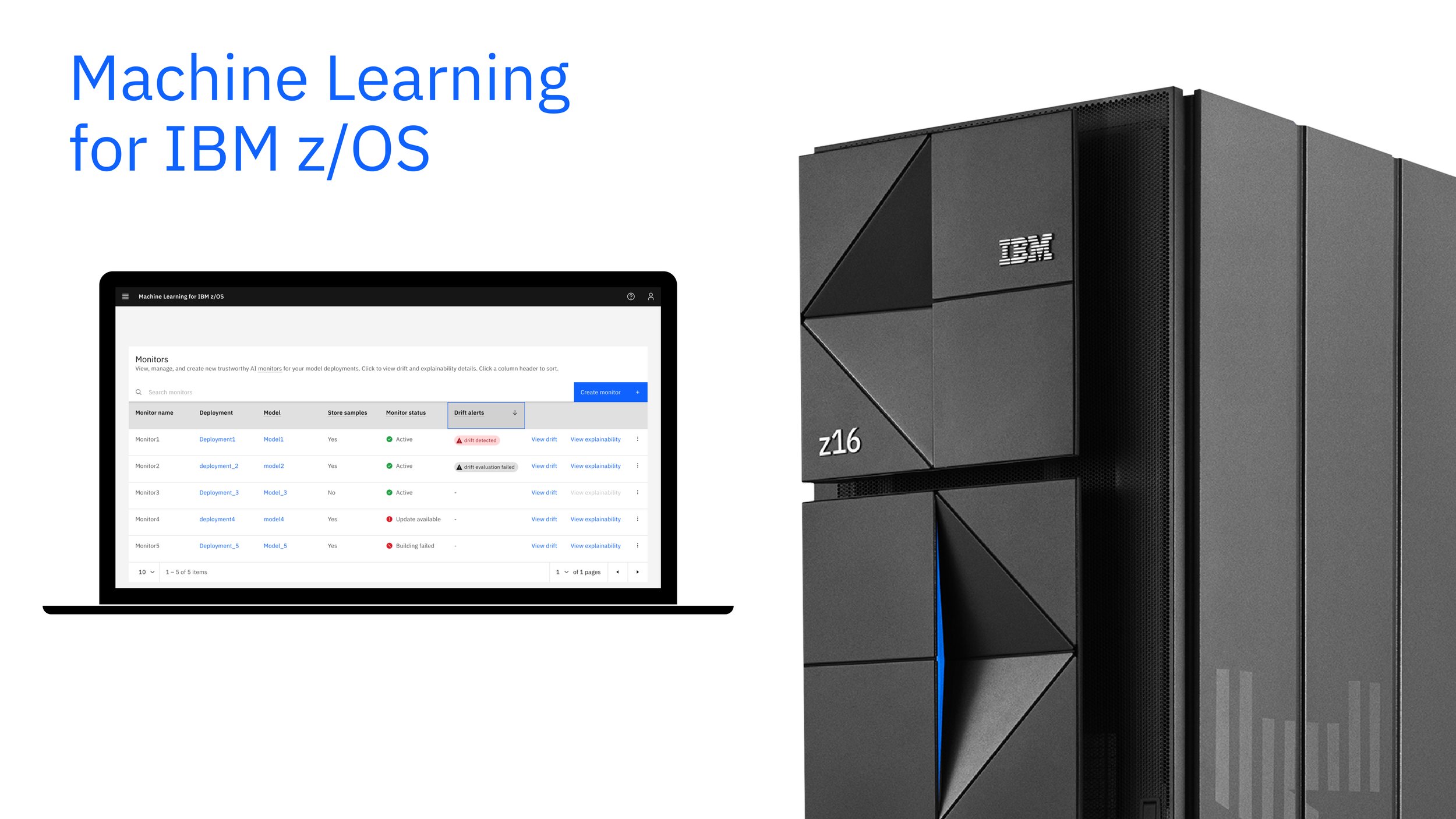
MACHINE LEARNING FOR IBM Z/OS
Making enterprise AI more accessible and trustworthy
UX/UI Design, Enterprise Software, Trustworthy AI
Award-winning product — iF Design Award, Product UX
Project Background
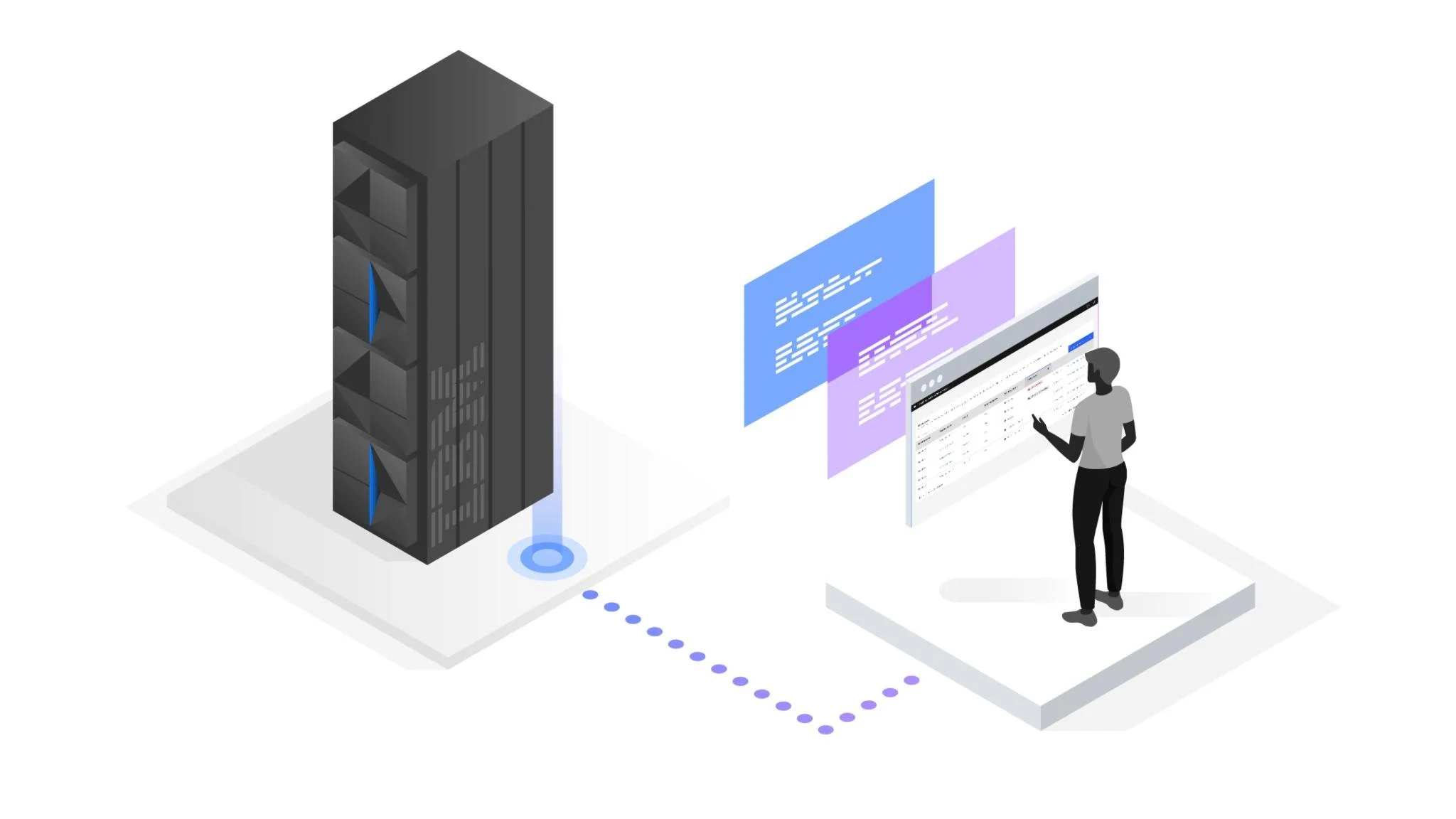
Machine Learning for IBM z/OS (MLz) is an enterprise AI platform that enables organizations to deploy and monitor machine learning models within IBM’s mainframe environment. Designed for industries such as banking and insurance, MLz helps organizations leverage machine learning while keeping sensitive transactional data within their existing systems. As the UX designer for drift monitoring, I owned the design of experiences that help users identify changes in model behavior, investigate performance, and make informed decisions. My work spanned design exploration, interaction design, and iterative refinement, informed by user research and feedback.
The Approach
My approach focused on translating sophisticated machine learning capabilities into intuitive, accessible experiences. Through user research, competitive analysis, design exploration, and iterative validation, I worked to understand how data scientists monitor model performance, investigate changes, and communicate findings to stakeholders. I emphasized clear information hierarchy, interactive data visualizations, and streamlined workflows to help users navigate technical information with greater confidence.
01 - The Challenge
Building trust through model transparency
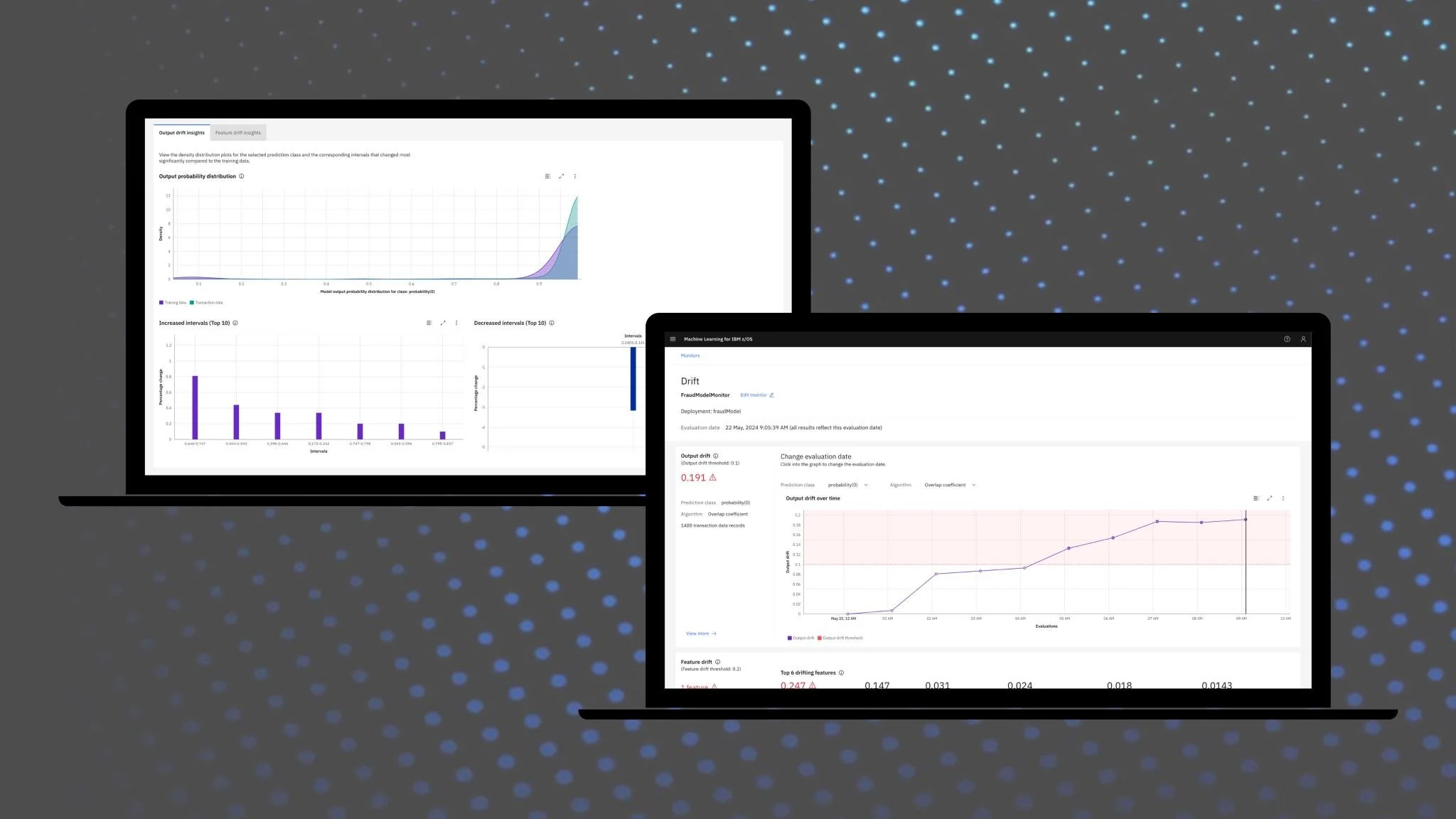
As machine learning models operate over time, changes in incoming data or model behavior can affect the reliability of their predictions. This phenomenon, known as model drift, creates challenges for organizations that depend on accurate, consistent AI-driven decisions. As the primary UX designer for drift monitoring, I focused on creating an experience that helps data scientists identify potential changes in model performance, investigate underlying causes, and determine when further action may be needed.
02 - Research & Discovery
Understanding user needs and the competitive landscape
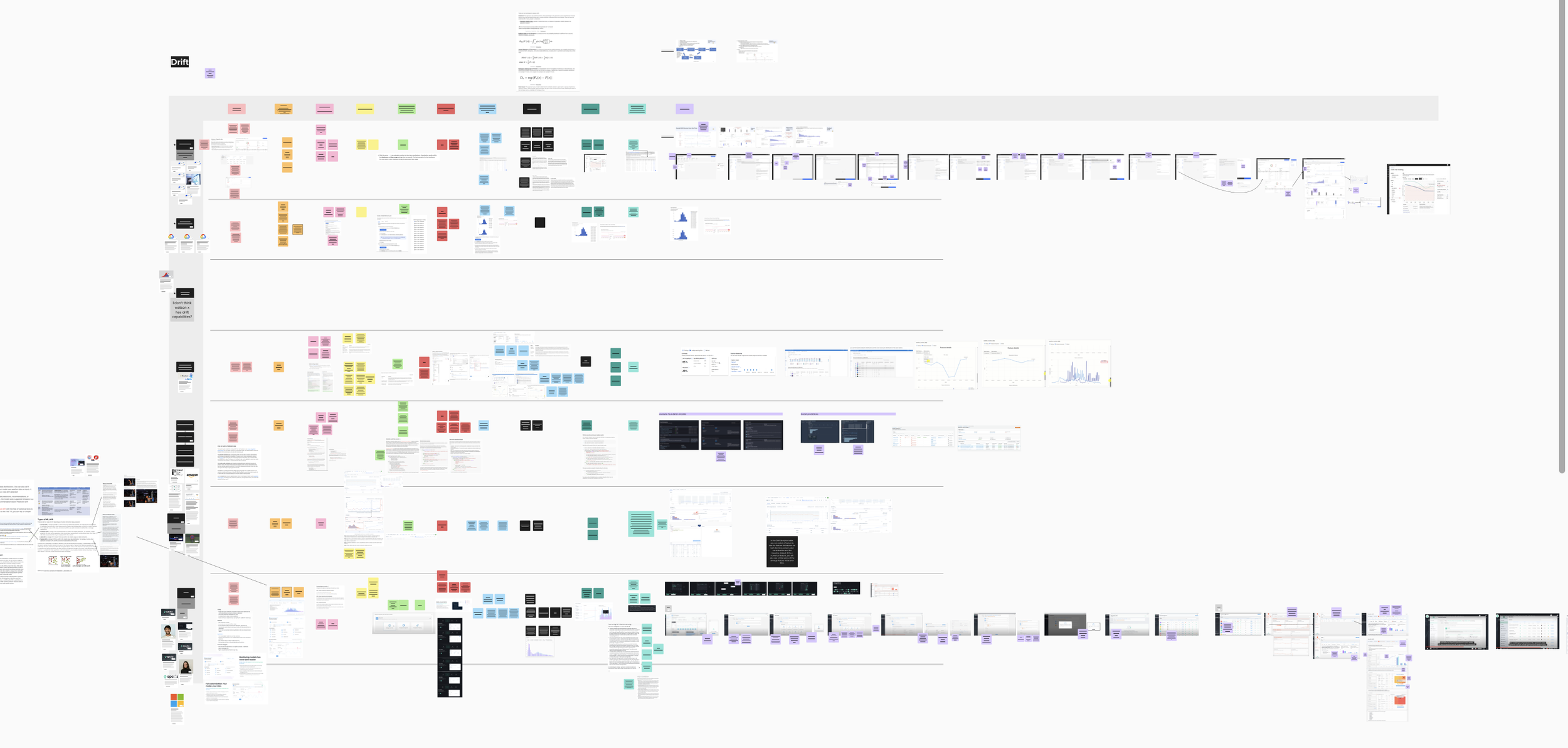
Research with enterprise clients helped uncover how organizations monitor model performance and respond to drift. Through user discussions and competitive analysis, we identified opportunities to improve monitoring workflows, including configurable alerts, accessible performance metrics, interactive visualizations, and the ability to share findings across technical and business teams. These insights helped shape the design direction, emphasizing transparency, flexibility, and actionable information.
03 - Design Exploration
Simplifying complex model monitoring workflows
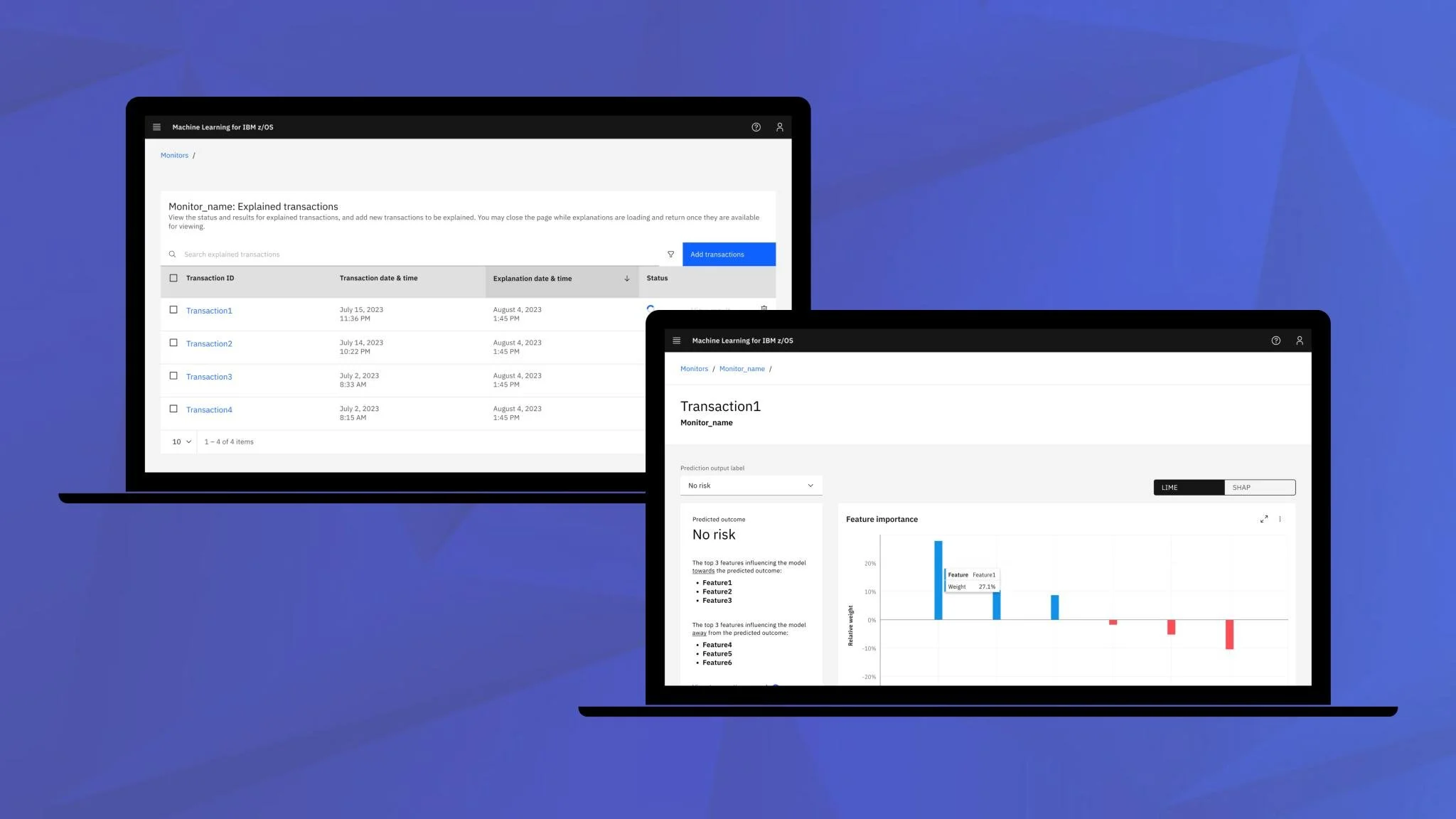
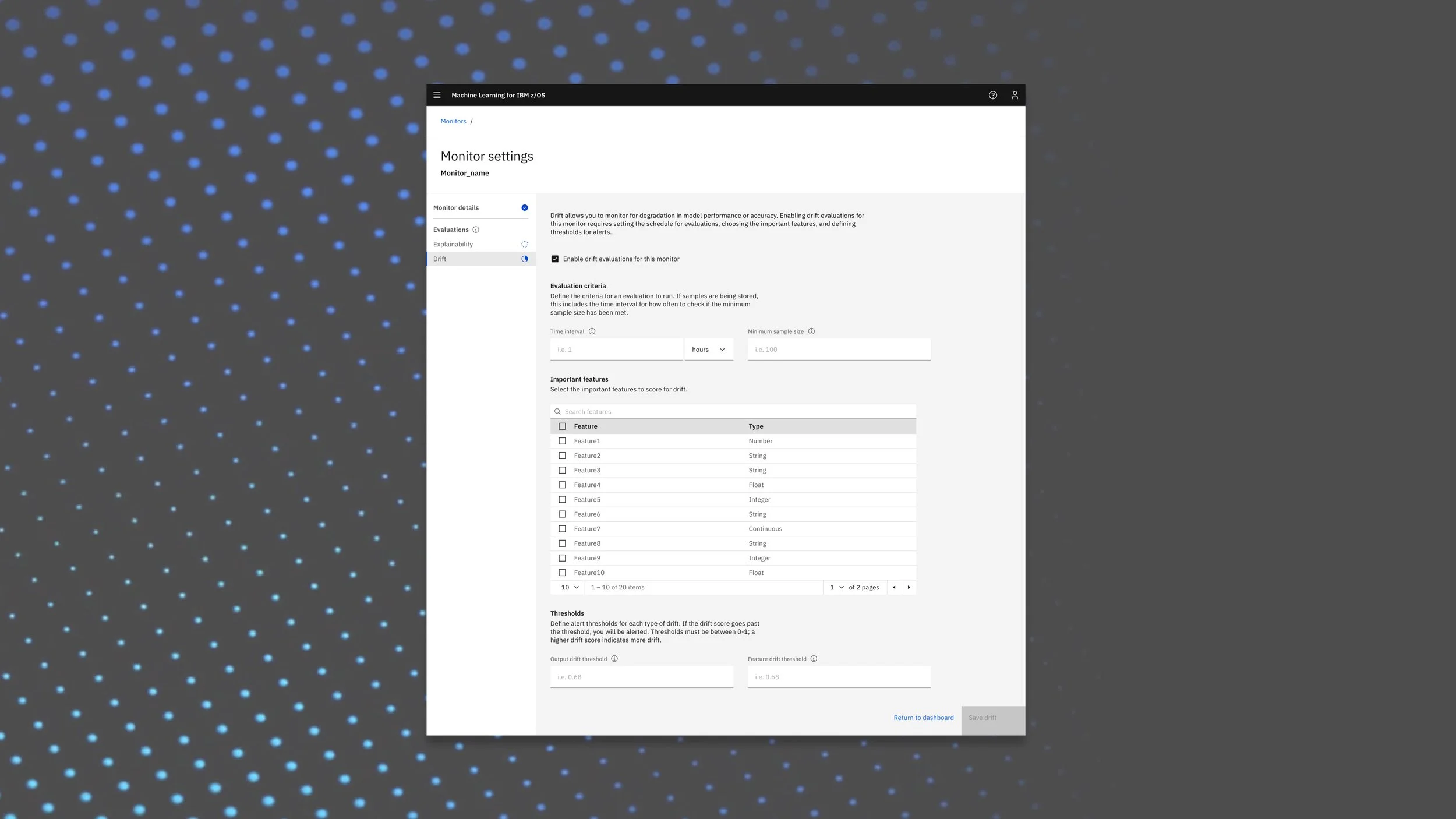
I explored how complex technical information could be presented in a more accessible, actionable way. The design approach emphasized clear data visualizations, progressive disclosure, and simplified workflows to help users navigate monitoring results without becoming overwhelmed by technical complexity. The goal was to make model behavior easier to interpret while supporting informed decisions about model performance and reliability.
04 - Validation & Refinement
Refining the experience through user feedback
Usability evaluations with enterprise clients provided valuable insight into how users navigated and interpreted drift monitoring information. Feedback reinforced the importance of interactive visualizations, contextual guidance, and intuitive information hierarchy. Testing also revealed opportunities to improve navigation, accessibility, and the communication of monitoring results. These findings informed iterative refinements to the experience, helping make complex model monitoring workflows more understandable and actionable.
“Perfect overview of the whole environment and its status.”
Keep up the good work with info-hierarchy & interactivity of the data viz. This makes DS's really happy! :)
“Like that you can add info if you hover over the pop-up on charts. This is very good.”
05 - Final Design
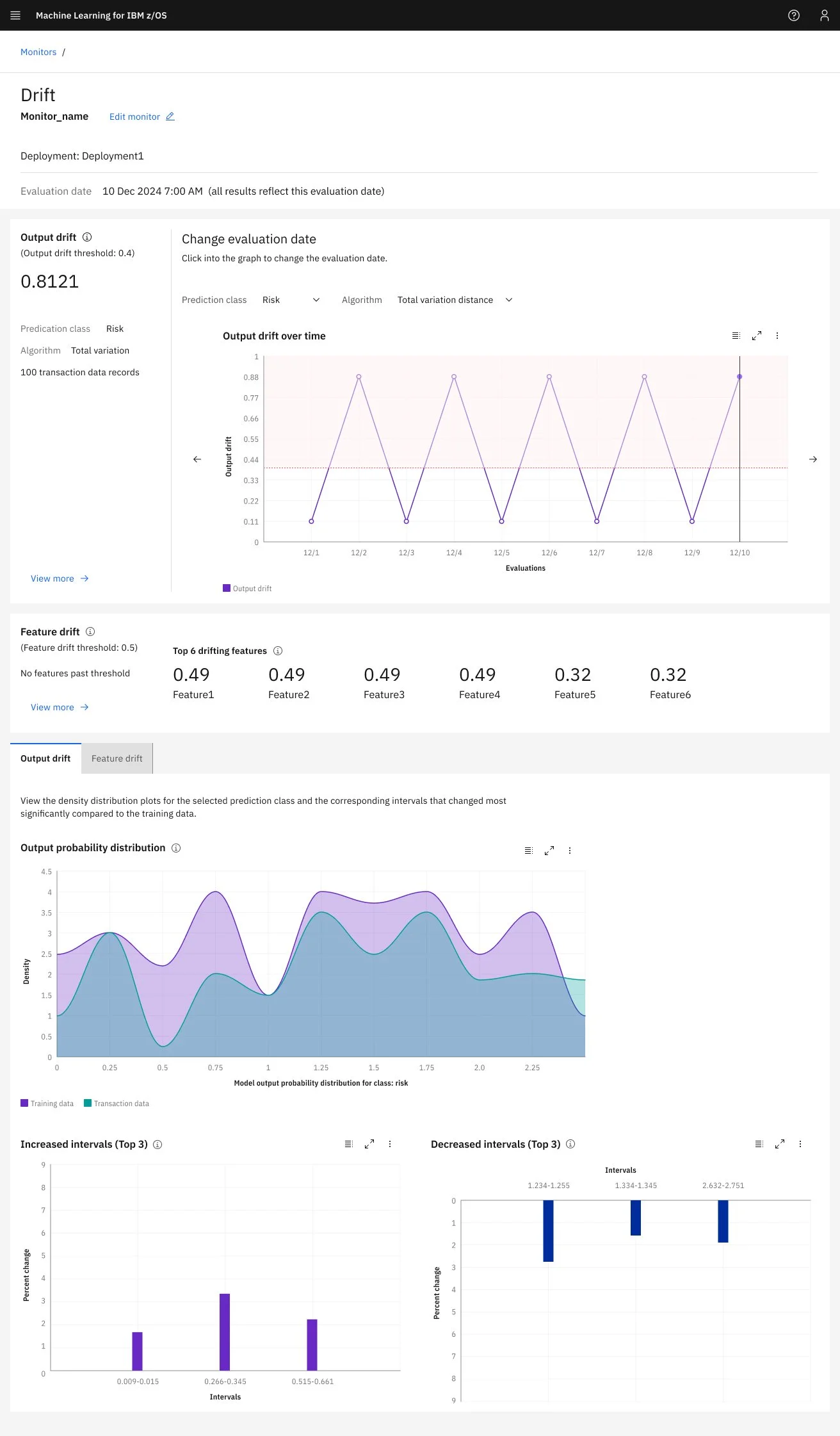
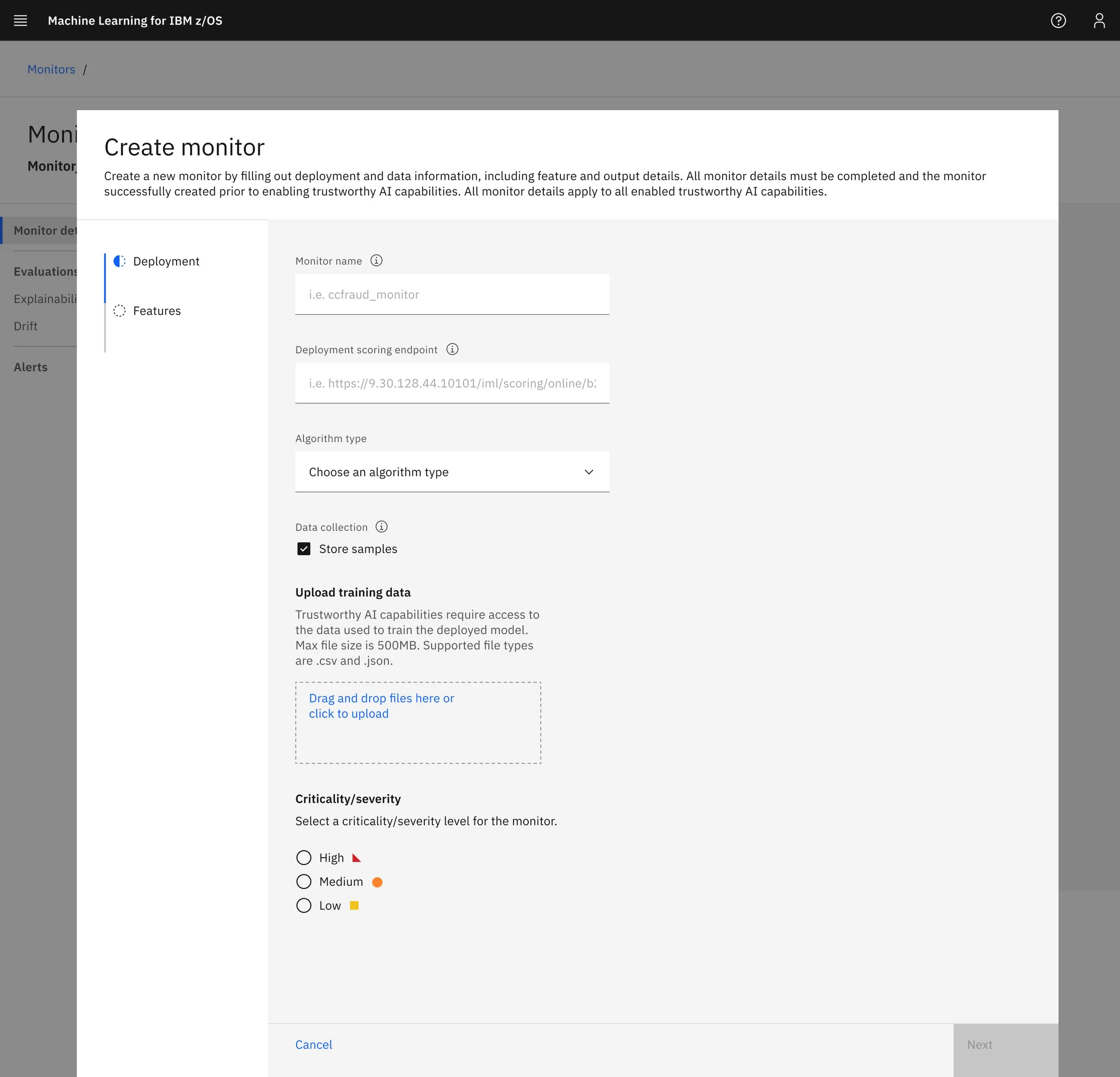
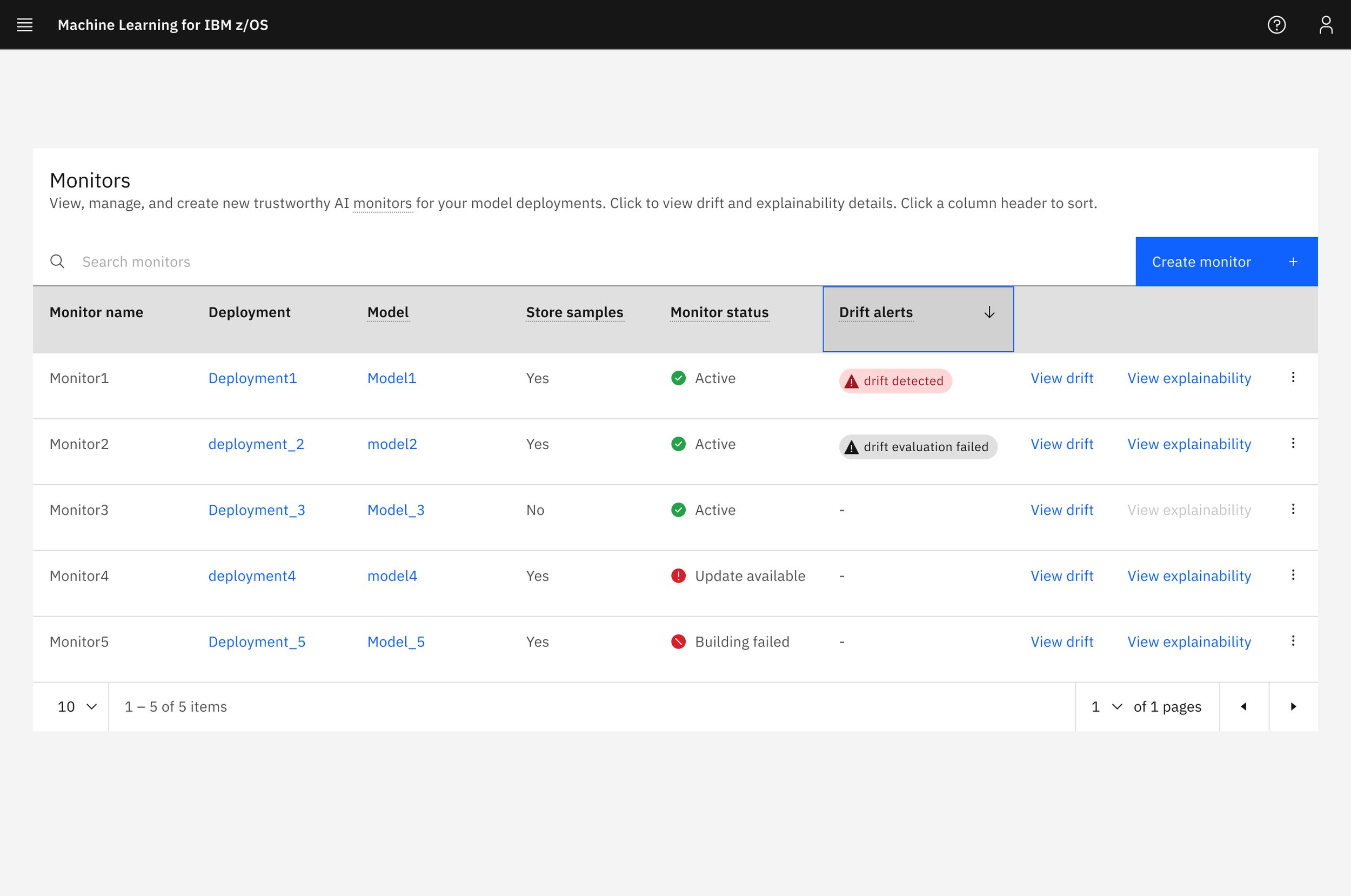
The resulting designs bring model monitoring and drift analysis into a more cohesive experience. Clear status indicators, interactive visualizations, and accessible monitoring details help users move from identifying potential issues to understanding model behavior and determining next steps.
Recognition
iF Design Award — Product UX
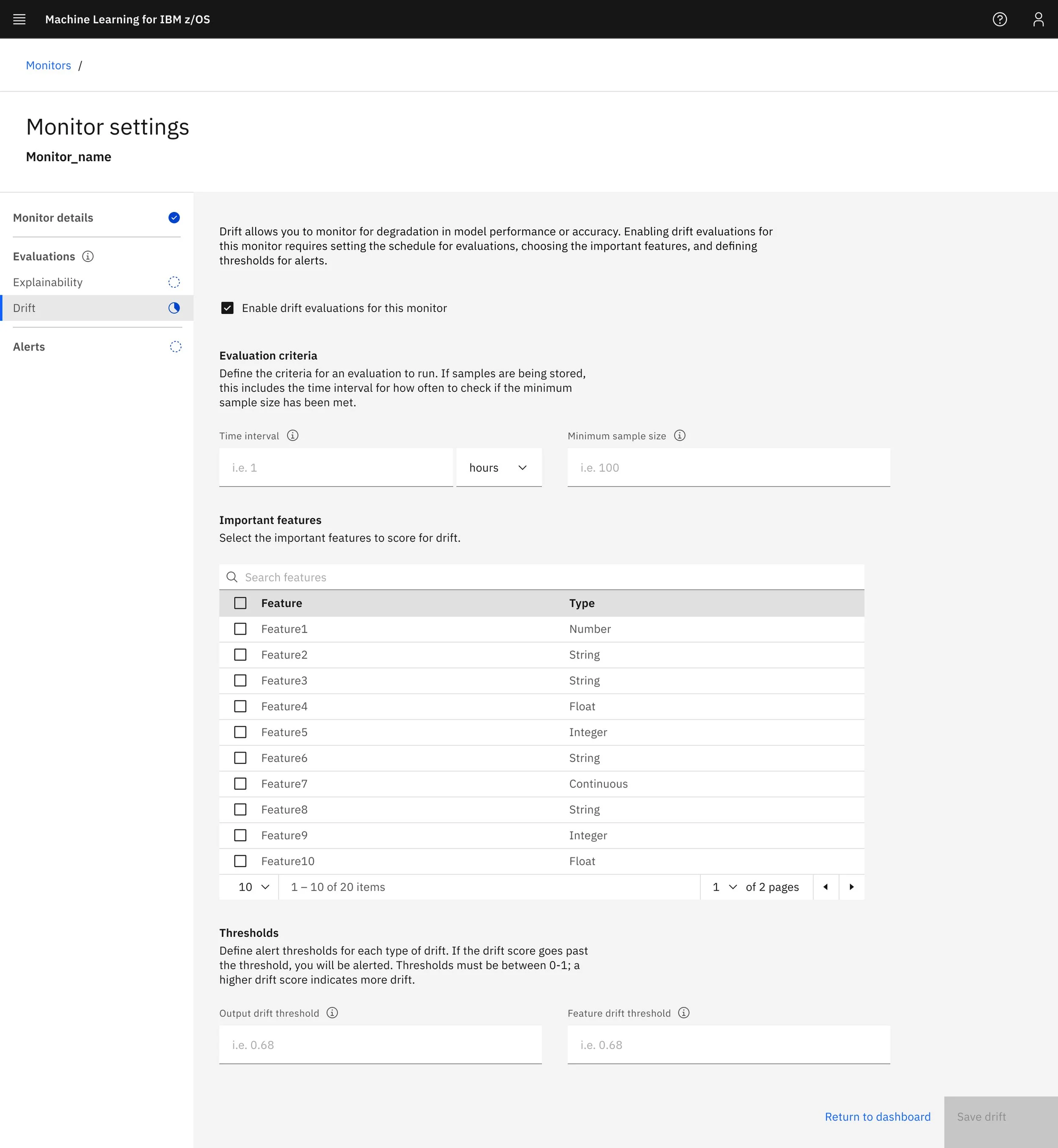
Machine Learning for IBM z/OS received an iF Design Award in recognition of its user experience design. I designed the drift functionality behind the award-winning product, contributing to experiences that make enterprise machine learning more accessible and understandable.